3193
3193

The Turkmen-Chinese Business Forum was held today at the Chamber of Commerce and Industry of Turkmenistan, where participants discussed ways to further develop mutually beneficial cooperation between Turkmenistan and China.
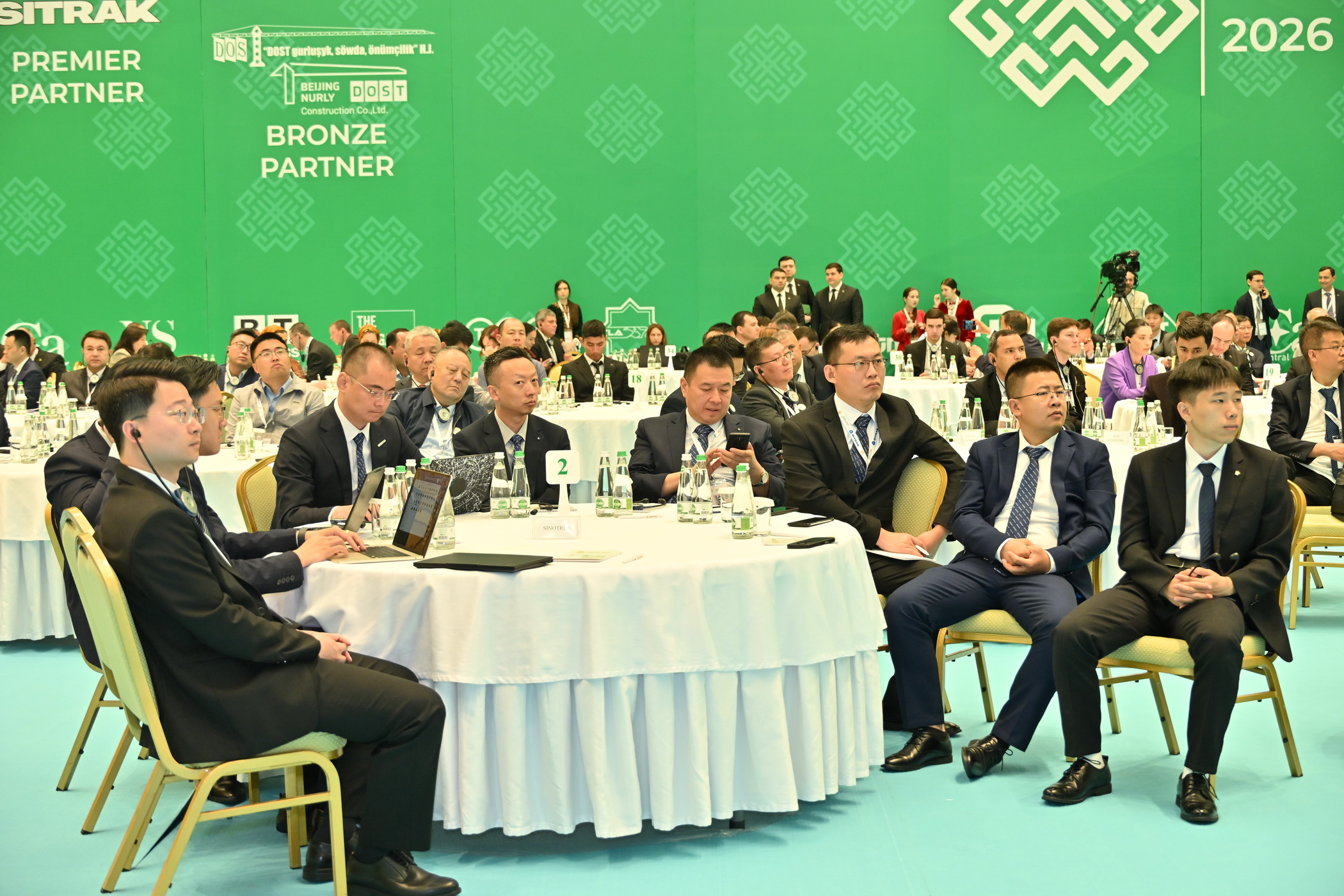
The exhibition and business forum taking place in the capital are aimed at elevating the long-standing interstate friendship and strategic economic partnership between the two countries to a new level, identifying promising areas of cooperation, and promoting joint projects. Bringing together heads and specialists of government institutions, major manufacturing companies, and business circles from both countries, these events provided an excellent platform for examining key issues in trade and economic relations and exploring the potential for further collaboration. The agreements reached in recent years through the consistent efforts of the leaders of both states continue to strengthen Turkmen-Chinese relations.
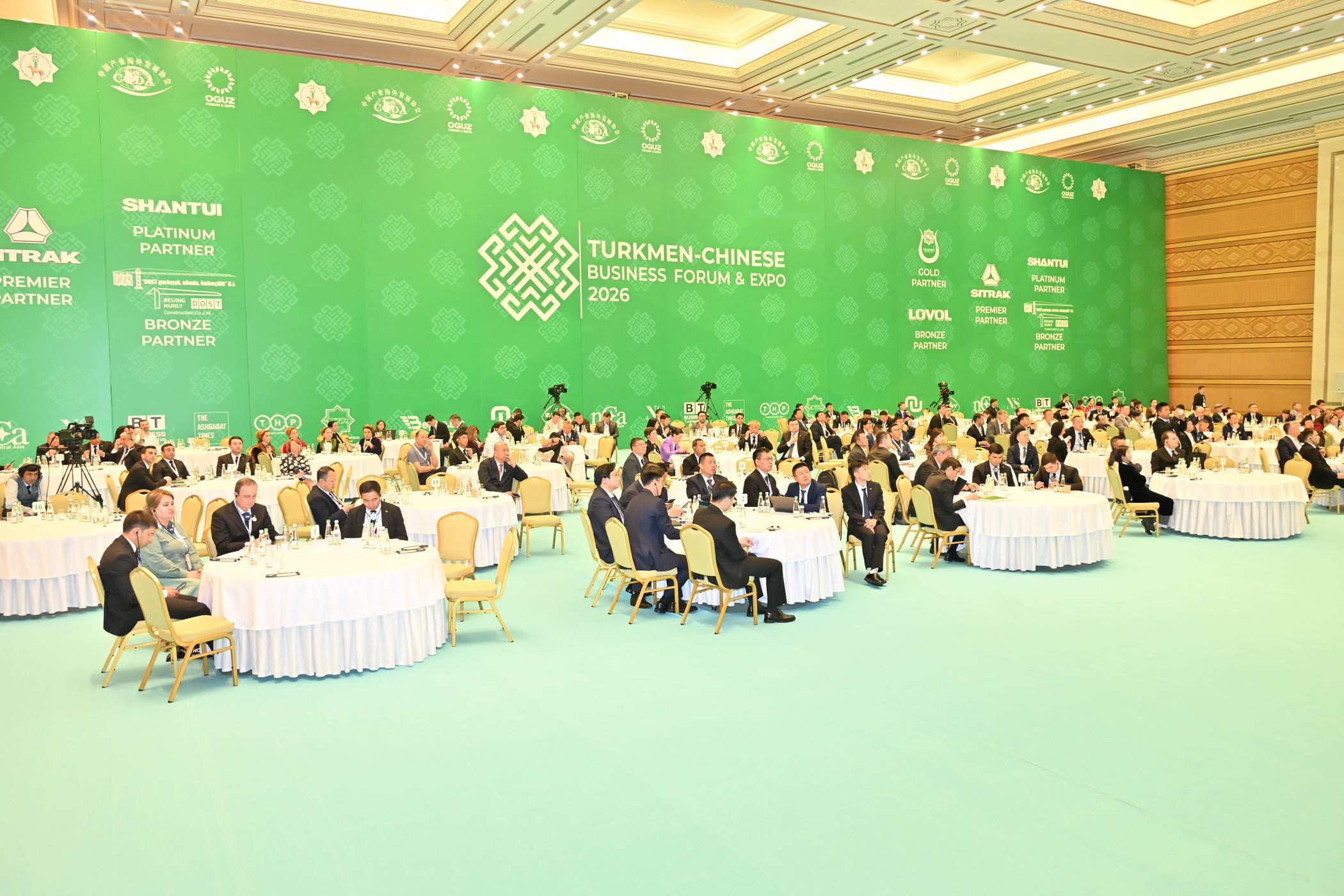
As part of the business forum, participants were shown video presentations highlighting the development of bilateral dialogue, which has acquired a comprehensive strategic character. Turkmenistan and China’s shared interest in deepening cooperation in the political, economic, and cultural-humanitarian spheres, together with the positive experience accumulated through their collaboration, creates favorable conditions for the continued expansion of interstate ties. A vivid example of this effective partnership is the implementation of major joint projects, foremost among them the transnational Turkmenistan–China gas pipeline.
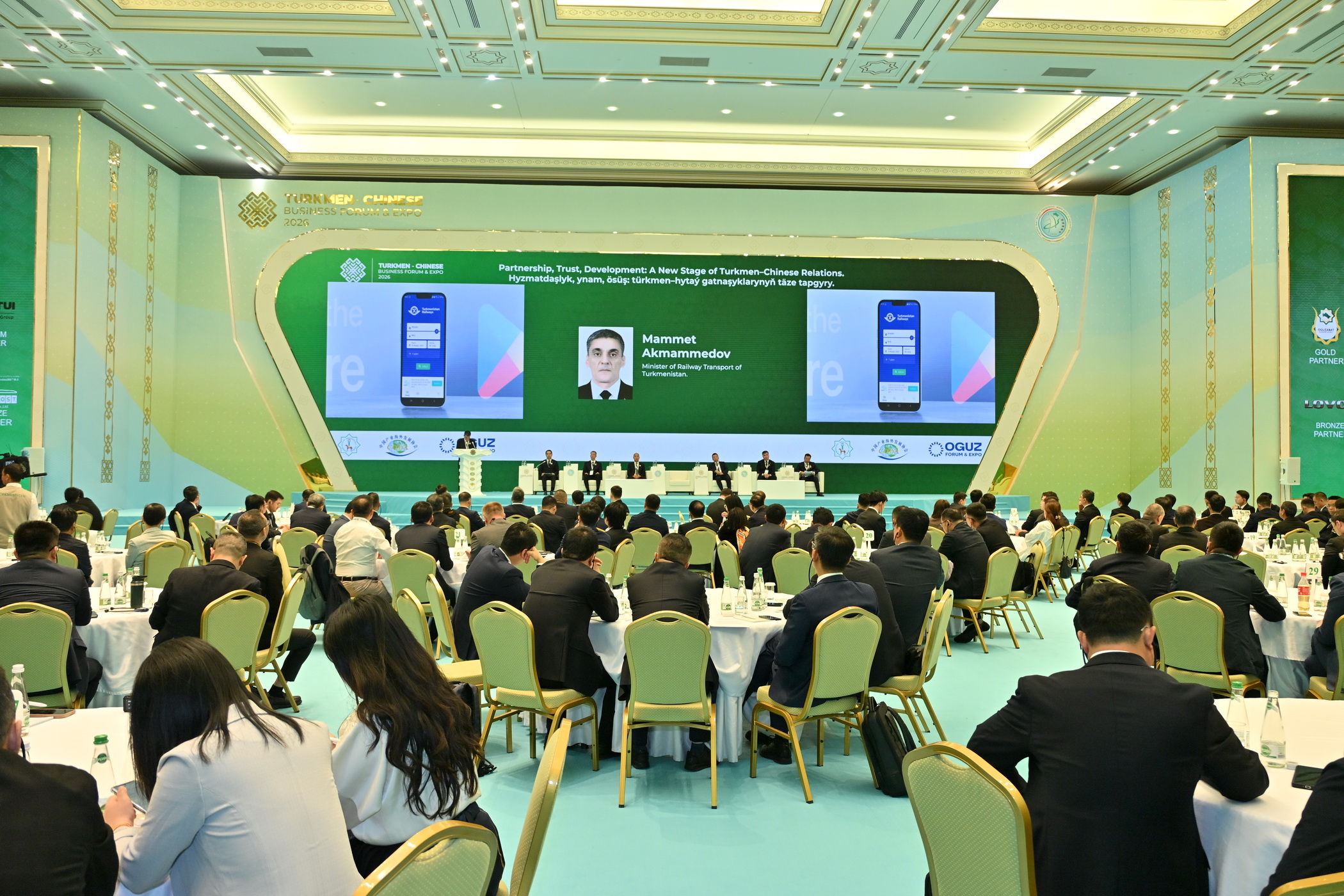
Speakers at the plenary session titled “Cooperation, Trust, and Development: A New Stage in Turkmen-Chinese Relations” provided a detailed overview of the economic indicators of bilateral cooperation and the favorable investment climate created in our country. As noted, China remains one of Turkmenistan’s largest and longest-standing foreign trade partners. Significant investment directed toward the sustainable development of both countries and the expansion of production capacities is opening new opportunities for diversifying trade turnover and broadening the range of export-oriented goods. It was especially emphasized that dozens of major joint projects involving Chinese capital have already been implemented, and work in this direction continues successfully.
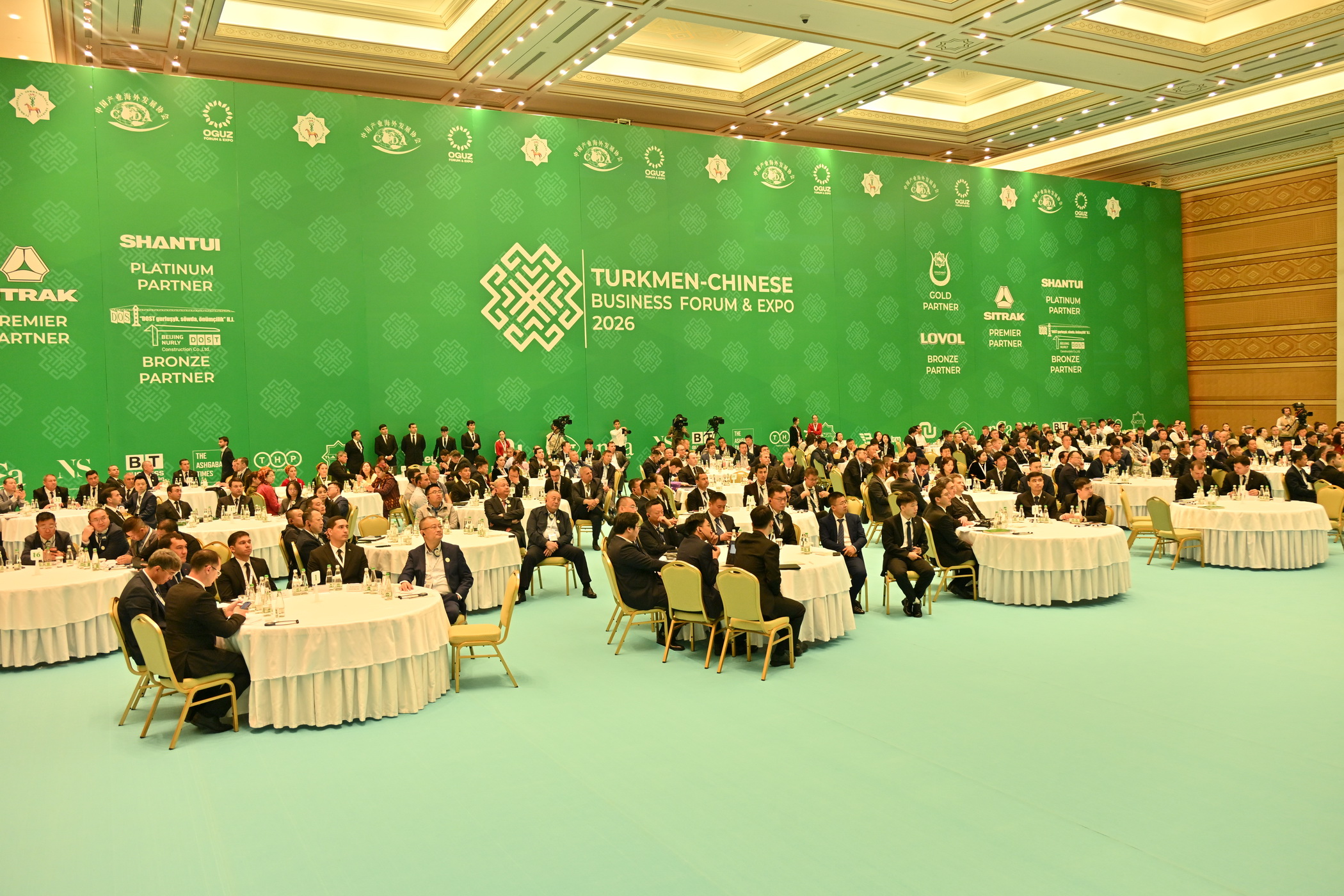
At the same time, special attention was given to the effective cooperation between the two countries not only bilaterally but also within authoritative international organizations, particularly the United Nations. Speakers highlighted the significance of Turkmenistan’s permanent neutrality, which has been recognized three times by resolutions of the UN General Assembly, and highly praised the country’s peace-loving policy, which plays an important role in the Central Asian region.
Turkmenistan, confidently pursuing a path of harmonious development and possessing a strong economy, has created all the necessary conditions for the effective operation of foreign companies and investors. This is essential for the continued intensification of relations and the implementation of joint projects.
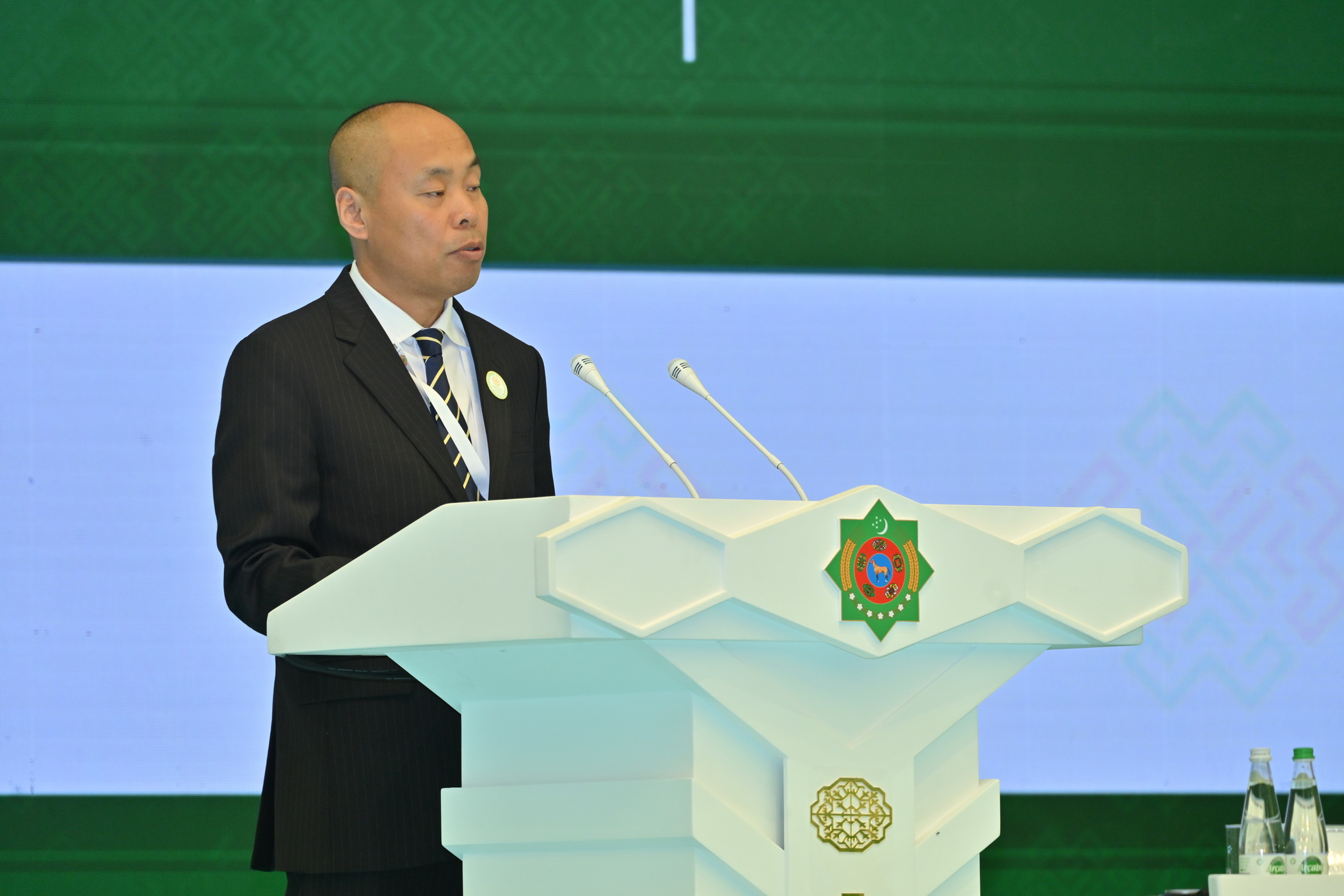
Today, the strategic interstate partnership, based on the principles of mutual trust and equality, is being enriched with new substance. As Chinese representatives noted, this year—designated the Year of the Horse according to the Eastern calendar, and in Turkmenistan celebrated under the motto “Independent Neutral Turkmenistan – the Homeland of Purposeful Winged Horses”—has given fresh momentum to bilateral relations.
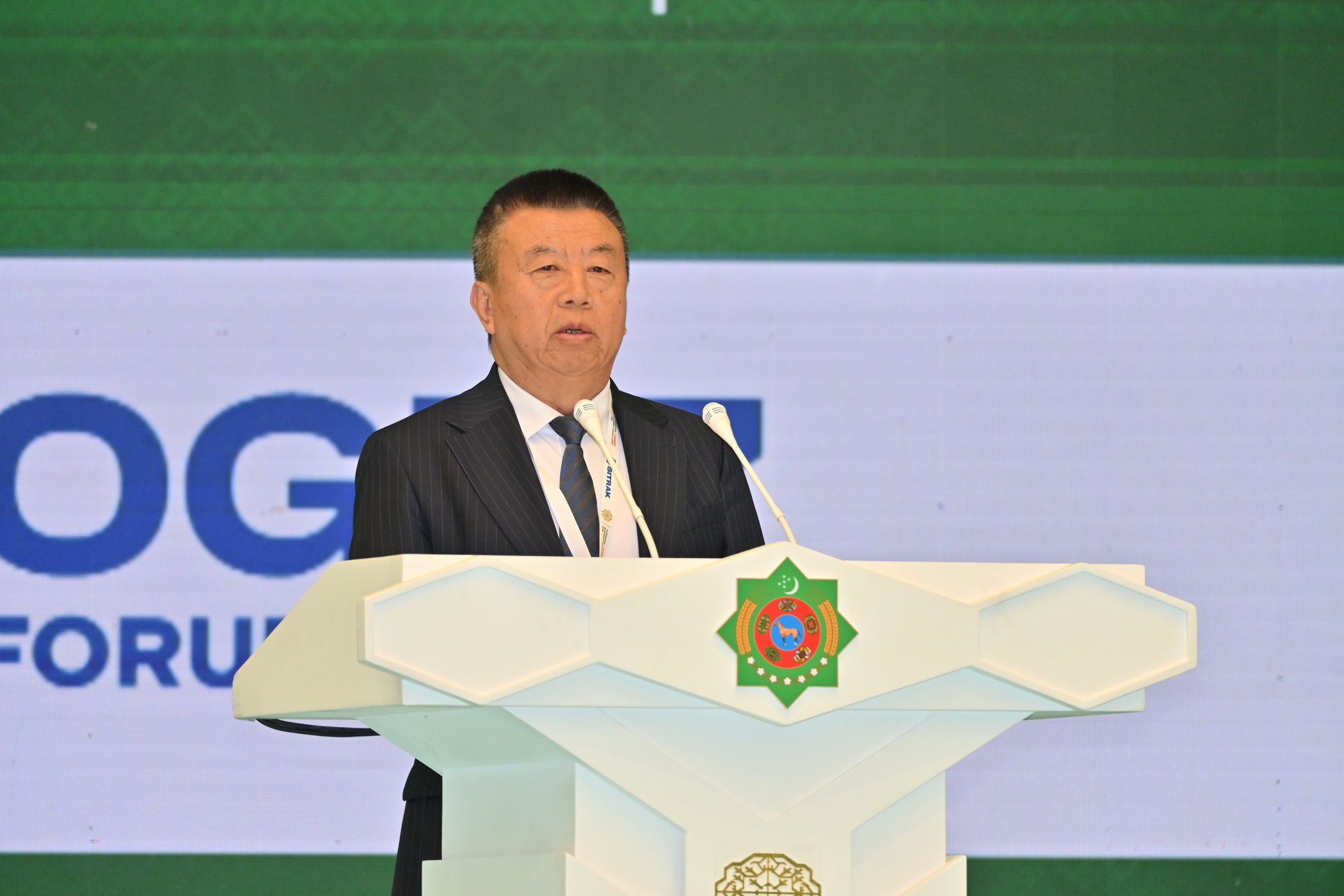
Both nations regard the horse as a symbol of strength and development. In this context, participants underscored the significance of the friendly visit of the National Leader of the Turkmen people, Chairman of the Halk Maslahaty, Hero-Arkadag, to the People’s Republic of China. Representatives of the friendly nation also expressed gratitude to the Government of Turkmenistan for the excellent organization of the Turkmen-Chinese Business Forum and Exhibition, which open broad opportunities for further cooperation between the business communities of the two countries, as well as for the warm hospitality extended on Turkmen soil.
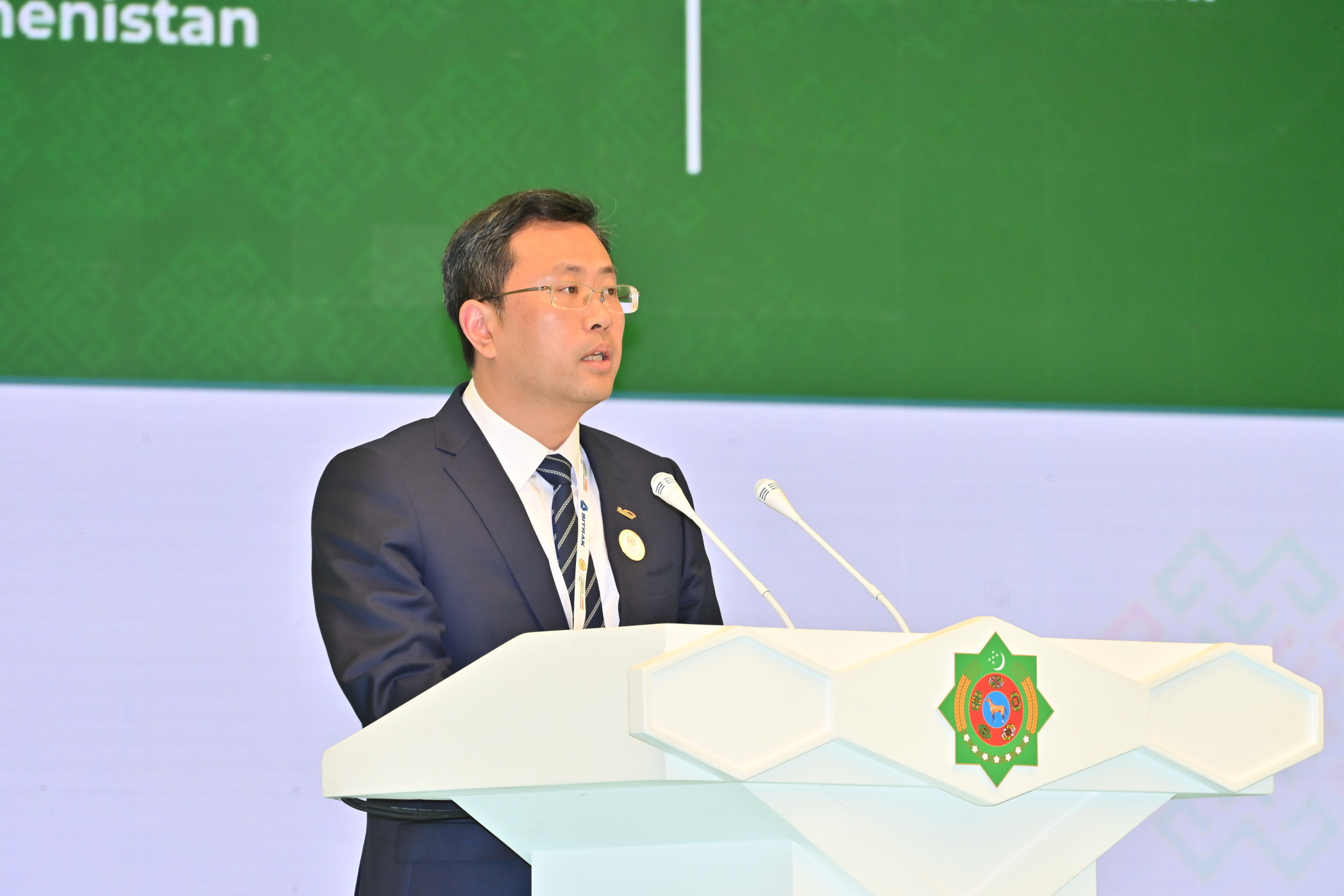
Turkmenistan places particular emphasis on the introduction of digital technologies and artificial intelligence across all sectors of the economy. Following the seventh meeting of the Turkmen-Chinese Intergovernmental Cooperation Committee, recently held in the capital, a package of documents was signed aimed at strengthening previously reached agreements and giving new impetus to the expansion of partnership. Among them was a Memorandum of Understanding between the Ministry of Communications of Turkmenistan and the National Development and Reform Commission of the People’s Republic of China on cooperation in the field of artificial intelligence.
In this context, proposals were voiced during the meeting for the creation of a broadband communications network based on advanced technologies, increasing both the volume and quality of internet services, and expanding their range. At the same time, representatives of Chinese companies expressed great interest in cooperating to ensure the innovative development of Turkmen economy and in participating in the implementation of regionally significant infrastructure projects.
Key areas of traditional Turkmen-Chinese partnership were discussed in detail during specialized sessions. In particular, the plenary session “A New Stage of Cooperation in the Fuel and Energy Sector” focused on both completed and ongoing projects in this industry, which remains a vital component of bilateral trade.
As emphasized, Turkmenistan, with its considerable potential in this sector, is one of China’s principal suppliers of natural gas. Special attention was also paid to the rapidly developing gas chemical industry, whose enterprises produce a variety of products that are successfully marketed worldwide.
The efficient use of renewable energy sources was another important topic of discussion. Alongside the expansion of its traditional energy sectors, Turkmenistan is consistently developing green energy. In this regard, participants noted the substantial opportunities for cooperation in the use of environmentally friendly renewable energy sources, particularly solar and wind power. Speakers also highlighted promising prospects for strengthening partnership in supplying specialized equipment for the fuel and energy sector and modernizing the infrastructure of the gas chemical industry.
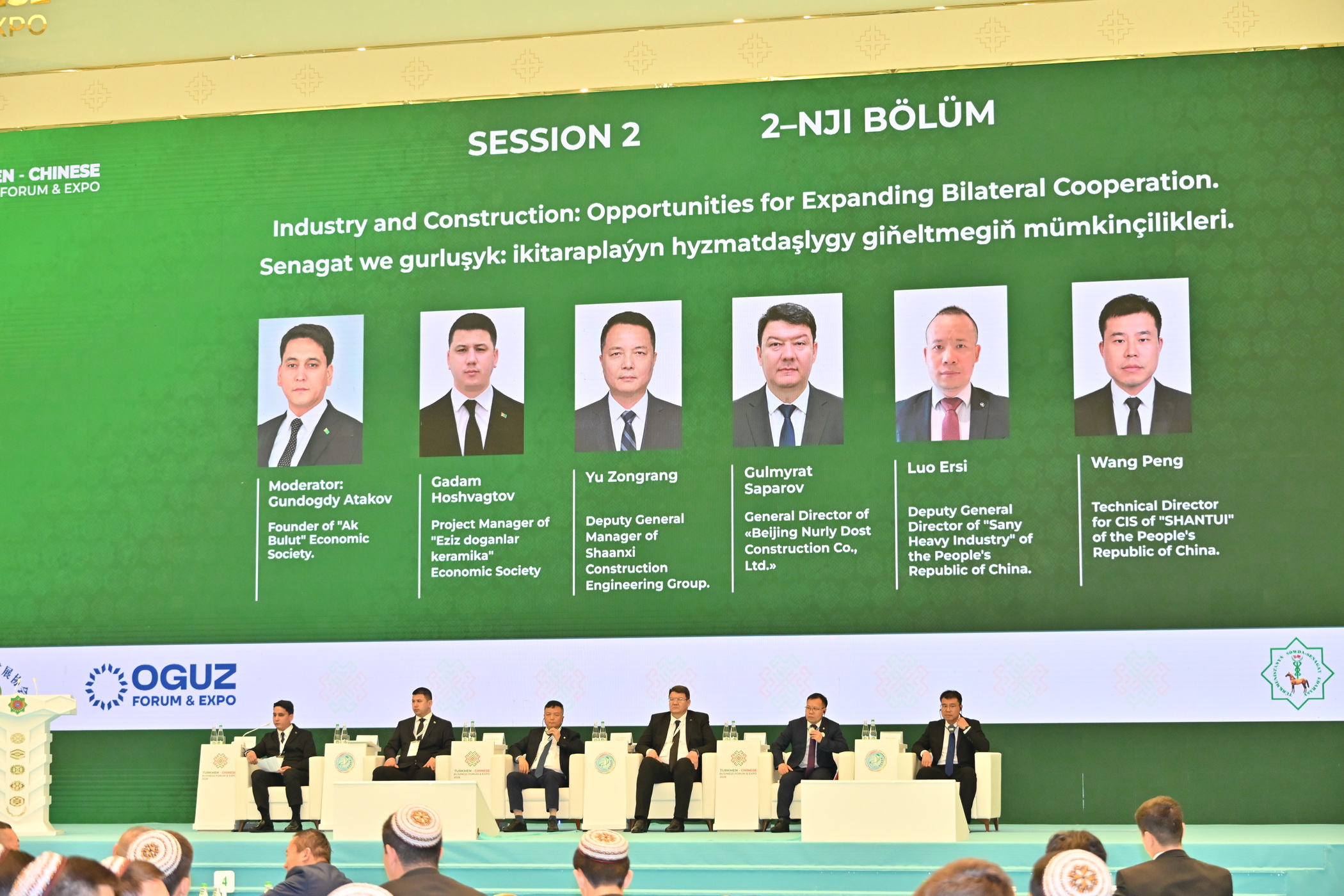
At the plenary session “Industry and Construction: Opportunities for Expanding Bilateral Cooperation,” participants exchanged views on the potential use of Chinese-made equipment at major construction sites and private industrial complexes being developed throughout Turkmenistan. In this context, Turkmen entrepreneurs expressed their readiness for long-term cooperation and for expanding dialogue with their Chinese counterparts in order to adopt their successful experience and modern management methods. It was emphasized that regular reciprocal exhibitions of goods and services, as well as joint business forums, are an important component of this work.
The plenary session “The Eurasian Corridor: Building a New Efficient Logistics Ecosystem” focused on priority areas of cooperation in the transport and logistics sector. Special emphasis was placed on the significant contribution of the business communities of both countries to the successful implementation of Turkmenistan’s strategy for the Revival of the Great Silk Road and China’s Belt and Road Initiative, as well as to increasing cargo flows.
The modern infrastructure created in Turkmenistan in recent years—including the International Seaport of Turkmenbashi, new highways, and modern airports—offers broad opportunities for expanding cooperation in this field. In this regard, it was noted that Turkmenistan is developing large-scale projects for the formation of transport corridors and that enormous prospects exist for establishing cooperation with foreign partners, particularly renowned Chinese companies with extensive experience in this area.
As noted at the plenary session “Digital Development: Creating Smart and Connected Futures,” global economic, technological, and environmental factors, along with the growing role of the Internet in providing services, facilitating trade, and improving people’s lives overall, are generating increased interest in smart cities. This, in turn, enhances the importance of smart technologies in urban design aimed at optimizing living conditions and ensuring public safety.
Speaking about the extensive experience of Turkmenistan and China in this field, participants noted that the city of Arkadag is a unique large-scale urban development project in the region, distinguished not only by its digital systems but also by its environmental standards and infrastructure. During the discussions, speakers expressed interest in software development and in establishing cooperation in the field of artificial intelligence.
At the plenary session “Opportunities for Developing Turkmen-Chinese Cooperation in the Agricultural Sector,” emphasis was placed on the potential for partnership in creating resource-saving farming systems and greenhouse facilities, as well as in the technical modernization of the agricultural sector. The introduction of green economy principles into the agro-industrial complex, an important requirement of modern times, is intended to promote sustainable development and environmental well-being. Through the purposeful policies pursued under the leadership of President Serdar Berdimuhamedov, production of high-quality, environmentally friendly, and competitive food products is steadily increasing.
According to the unanimous opinion of the participants, the business events being held in the Turkmen capital will contribute to the further development of Turkmen-Chinese cooperation across various sectors, strengthening the bonds of friendship and brotherhood between the two peoples. The forum provided an opportunity for an extensive exchange of views on ways to elevate cooperation in numerous sectors of the economy—including investment and advanced technologies—to a new level, while also identifying prospects for expanding trade turnover and outlining specific directions for joint activities.